Cheapest Gold in Africa
Cheapest Gold in Africa – Best Prices & Suppliers
Cheapest Gold in Africa Understanding the gold price landscape in Africa is essential for investors, jewelers, and bulk buyers looking to maximize their returns. Gold is mined and traded across multiple African countries, each with its unique pricing dynamics. In this article, we will explore gold price Uganda vs South Africa, gold price Ghana vs Kenya, and offer a comprehensive gold price comparison Africa to help you identify the cheapest gold Africa and the best gold prices East Africa.
Gold Price Uganda vs South Africa
When comparing gold price Uganda vs South Africa, several key points stand out. South Africa has more advanced infrastructure and refining capacity, but also higher labor and operational costs. Uganda, on the other hand, offers a more cost-effective solution, especially for raw or unrefined gold. In July 2025, the average price per gram of 24K gold in Uganda stood at USD 58.50, while in gold prices in India it was USD 60.70. This makes Uganda slightly more affordable for buyers seeking value in the unrefined and semi-refined segments.
South Africa, being one of the oldest and most established gold producers, enjoys a reputation for quality assurance and consistency in delivery. However, its strong regulatory frameworks and high tax obligations can inflate the final cost of gold. In contrast, Uganda’s more liberal export policies and strategic position as a regional hub offer a flexible option for those buying in bulk.
Gold Price Ghana vs Kenya
The gold price Ghana vs Kenya comparison also reveals notable contrasts. Ghana, often dubbed the “Gold Coast,” is West Africa’s leading gold exporter and a key global player in the gold trade. Its pricing is relatively competitive, with a gram of 24K gold averaging USD 59.20 in July 2025. In Kenya, gold is less abundant and the market is more niche-focused, leading to slightly higher pricing, at around USD 61.00 per gram.
Ghana benefits from established trade channels, a skilled artisanal workforce, and government support for mining cooperatives. Kenya, while rich in mineral resources, has a less mature gold export industry. That said, Kenya offers high-quality gold and has fewer export restrictions, which can appeal to private buyers and boutique dealers.
Cheapest Gold in Africa: Where to Buy
If you are looking for the cheapest gold Africa, Uganda and Ghana consistently rank among the top options. Their gold markets are well-connected to both local mines and regional trade centers, allowing buyers to purchase gold at lower premiums compared to countries with more centralized regulatory systems.
Cheapest Gold in Africa – Best Prices & Suppliers
Best African Countries to Buy Gold in
| Country | Why It’s Best | Avg. 24K Gold Price (1g USD) |
|---|---|---|
| DRC (Congo) | Lowest raw gold prices, abundant artisanal mining, negotiable on-site deals | USD 61.00 |
| Mali | High-purity nuggets, bulk sales available, emerging refineries | USD 61.00 |
| Ghana | Trusted suppliers, legal export channels, large gold trading market | USD 59.20 |
| South Africa | Advanced refinery access, safe transactions, regulated industry | USD 60.70 |
| Uganda | Strategic export hub, rising investor interest, flexible gold formats | USD 58.50 |
Cheapest Gold in Africa: Where to Buy for the Lowest Prices
If your goal is buying gold at the lowest possible price, then Congo (DRC) and Mali lead the way in 2025. Here’s why:
1. Congo (DRC) – The Cheapest Place for Raw Gold
Raw gold nuggets and dust sold directly from miners
Low cost of production and minimal taxes
Great for buyers who can manage on-ground logistics
Best for bulk raw gold at low markup
2. Uganda – Low-Cost, High-Purity Gold
Renowned for high-purity 22K–24K nuggets
Doré bars available at reduced premiums
Growing investment from UAE, India, and China
Best for traders seeking purity + price balance
Cheapest Gold in Africa – Best Prices & Suppliers
Buyer Tips: How to Buy Gold Safely in Africa
Work with licensed dealers. Always verify export certificates.
Compare prices and purity. Don’t just chase the cheapest price; check karat rating.
Ask for assay and origin documentation. Protects against fraud.
Use secure export channels. Partner with firms like Gold Buyers Africa or Gold Prices in Africa.
NOTE. The best country to buy gold in Africa depends on your goals. If you’re chasing cheap raw gold, Congo and Mali are top picks. For secure, refined gold purchases, consider South Africa, Ghana, or Uganda. Always prioritize trust, legality, and documentation.
Here’s a comparison of 24K gold price per gram in select African countries as:
| Country | Price per Gram (24K) |
| Uganda | USD 58.50 |
| Ghana | USD 59.20 |
| South Africa | USD 60.70 |
| Kenya | USD 61.00 |
| Tanzania | USD 59.00 |
| Nigeria | USD 60.30 |
Uganda’s affordability is driven by its proximity to newly developed artisanal mining sites and a competitive market with many licensed dealers. Ghana’s well-structured industry also keeps prices fair, while offering traceable and certified gold for export.
Best Gold Prices East Africa
In East Africa, Uganda and Tanzania offer the best gold prices, thanks to their rich mineral reserves and evolving trade ecosystems. Tanzania, in particular, has recently made strides in formalizing its gold trade through government-owned refineries, which helps reduce smuggling and stabilizes market prices. The average price in Tanzania as of July 2025 is USD 59.00 per gram.
Uganda continues to shine as a regional leader. Its central location, bordering Kenya, South Sudan, Rwanda, and the DRC, makes it a strategic point for gold flow across East and Central Africa. Entebbe and Kampala host multiple licensed exporters who offer competitive prices and quick processing for international shipments.
Kenya, despite slightly higher prices, is known for its consistent quality and faster customs procedures. For those valuing speed and legal transparency, Kenya might still be a preferred option despite the small cost difference.
Key Factors Influencing Gold Prices in Africa
Several factors affect gold pricing across the continent:
- Mining Costs
Mining expenses—like labor, equipment, and environmental compliance—directly impact the cost of gold. Countries with affordable labor and less mechanized operations tend to produce gold at lower costs, making prices more competitive compared to nations with stricter labor laws and higher technology investments. - Export Regulations
Export taxes, government royalties, and permit fees increase the final cost of gold. Countries with heavy bureaucracy and high export duties drive up gold prices, while nations with streamlined regulations offer better pricing for international buyers, creating opportunities for cost savings. - Refining Capacity
Countries with local gold refineries avoid international refining costs, offering buyers more competitive prices. In contrast, nations that must export raw gold for purification face higher costs due to logistics and third-party refining fees, which are passed on to the buyer. - Dealer Network
A robust network of licensed gold dealers fosters competition and pricing transparency. Where dealer presence is limited or informal, prices tend to fluctuate and premiums may rise. Well-regulated markets ensure fairer pricing and reduced risks of fraud for both local and international buyers. - Currency Stability
Countries with weaker or more volatile currencies against the US dollar often price gold lower in dollar terms. This exchange rate advantage can make gold from nations like Uganda or Ghana more affordable than from countries with stronger or more stable currencies, such as South Africa.
Navigating the Gold Market in Africa
If you’re planning to invest or trade in African gold, it’s important to:
- Verify the credentials of gold dealers.
- Ensure assay certificates and proof of origin.
- Understand the gold export regulations in each country.
- Use secure logistics services for transport.
- Compare prices using up-to-date market data.
When seeking the best gold prices in East Africa, always factor in not just the base cost but also shipping, insurance, taxes, and processing fees. Countries like Uganda may offer the lowest base price, but your total cost will depend on how you manage the end-to-end logistics.
Gold Export Regulations in Africa
Country-by-Country Legal Guide to Exporting Gold from Africa
Exporting gold from Africa is a lucrative opportunity, but comes with serious legal responsibilities. Below is a breakdown of key export laws, permits required, and gold export duties in five major gold-producing African countries: South Africa, Ghana, Uganda, Kenya, and Congo (DRC)
South Africa Gold Export Regulations
Regulatory Authority: South African Revenue Service (SARS) & South African Reserve Bank (SARB)
Required Documents:
Export Permit from the Department of Mineral Resources and Energy (DMRE)
Customs clearance via SARS
FIC (Financial Intelligence Centre) compliance
Tax & Duties:
No direct gold export tax, but strict customs and anti-money laundering controls
VAT may apply if transaction is not zero-rated (export must be proved)
Note: Only licensed traders can export gold. Bulk export requires additional audit reporting.
South Africa is highly regulated, ideal for corporate buyers or banks seeking traceable, refined gold.
Ghana Gold Export Duties & Permits
Regulatory Bodies: Precious Minerals Marketing Company (PMMC) & Minerals Commission
Required Documents:
Assay certificate from PMMC
Export license from Minerals Commission
Customs export declaration (GRA & CEPS)
Export Duty:
3% royalty on the total gold value
0.5% income tax withholding on gold exports
Note: All gold for export must pass through PMMC for validation.
Ghana offers structured and legal gold exports with government-verified purity checks.
Uganda Gold Export Requirements
Regulatory Authority: Directorate of Geological Survey & Mines (DGSM), Ministry of Energy
Required Licenses:
Gold Trading License
Export Permit from DGSM
Proof of source and origin under AML laws
Export Tax:
$200 per kg flat export levy
May include withholding tax based on value chain involvement
Note: Exporters must have traceability documentation and may face anti-smuggling audits.Uganda is growing as an East African gold hub, ideal for traders working with regional suppliers.
Kenya Gold Export Rules
Regulating Agency: Ministry of Mining & Kenya Revenue Authority (KRA)
Documents Required:
Mining & Export License
Gold Purity Certification (KEMRI or accredited labs)
Customs Declarations
Export Tax:
5% royalty on gross sales value
KRA may impose additional export levies or inspection fees
Caution: Many small-scale miners sell informally, only buy through *licensed aggregators.
Kenya is best for refined gold buyers working with established Kenyan processors or refineries.
DRC (Congo) Gold Export Regulations
Oversight Bodies: SAEMAPE, CEEC (Congolese Control Office), and Ministry of Mines
Documents & Procedures:
Gold Export License
CEEC Assay & Certificate of Origin*
Payment of royalties to provincial authorities
Export Taxes:
2.5–3% provincial tax, depending on region
Additional handling & freight fees
Caution: DRC is high-risk due to conflict zones. Ensure compliance with OECD due diligence and UN conflict-free sourcing laws.
DRC offers the cheapest gold, but requires experienced, well-connected exporters.
Conclusion: Navigate African Gold Exports Legally & Profitably
| Country | Permit Required | Export Tax/Duty | Ideal For |
|---|---|---|---|
| South Africa | Yes (SARB/DMRE) | No direct tax | Corporate, refined buyers |
| Ghana | Yes (PMMC/Minerals) | 3.5% total | Licensed exporters, investors |
| Uganda | Yes (DGSM) | $200/kg flat | East African intermediaries |
| Kenya | Yes (Ministry/KRA) | 5% royalty | Buyers in regional hubs |
| Congo (DRC) | Yes (CEEC/SAEMAPE) | 2.5–3% | Bulk raw gold traders |
Note: Work With Licensed Exporters
Whether you’re sourcing from Uganda or South Africa, always partner with *licensed gold export firms such as: Gold Nuggets Africa
These companies handle export permits, assays, and logistics—ensuring 100% legal and traceable shipments.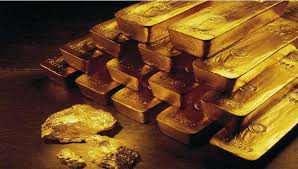
Conclusion: Where to Get the Best Value
Africa’s gold market offers a range of opportunities depending on your needs. For the cheapest gold in Africa, Uganda leads due to its low premiums and active market. Ghana follows closely, offering competitive pricing and solid regulatory structures. South Africa, while slightly more expensive, delivers high-assurance gold and strong logistical infrastructure. In East Africa, Uganda and Tanzania provide the best value, with Kenya offering speed and convenience at a small premium.
By understanding the nuances of gold price Uganda vs South Africa and gold price Ghana vs Kenya, buyers can make informed decisions that align with their goals—whether they’re purchasing gold for investment, resale, or manufacturing.
Stay updated on current prices and always engage with reputable, licensed dealers to ensure safety, legality, and value in every transaction.
is gold cheaper in Africa
Is Gold Cheaper in Africa – African Gold Prices
Is Gold Cheaper in Africa? Yes gold is often cheaper in Africa compared to global retail markets, with countries like Uganda, DRC, and Sudan offering some of the lowest prices per gram.
Gold Prices Across African Countries
Factors Contributing to Lower Prices
- Low Production Costs: Countries like Uganda and DRC have lower labor and operational expenses, reducing the overall cost of gold.2
- Regulatory Environment: Less stringent export regulations and lower taxes in Uganda and DRC allow dealers to sell gold at prices closer to the international spot rate.1
- Currency Exchange Rates: Weak local currencies, such as the Ugandan shilling, make gold cheaper for foreign buyers.1
- Direct Mine Sourcing: Buying directly from artisanal miners or licensed refineries reduces middleman fees, further lowering costs.
Considerations for Buyers
While gold in Africa can be cheaper, buyers should exercise caution. Risks include counterfeit gold, unlicensed dealers, and complex export regulations. It is recommended to purchase from licensed dealers or refineries and obtain proper assay certificates to ensure authenticity.Conclusion
Africa offers some of the most competitive gold prices globally, particularly in Uganda, DRC, and Sudan. Prices can be up to 30% below global retail rates due to direct sourcing, low premiums, and favorable local conditions. However, careful navigation of the market and working with reputable dealers is essential for safe and profitable transactions.